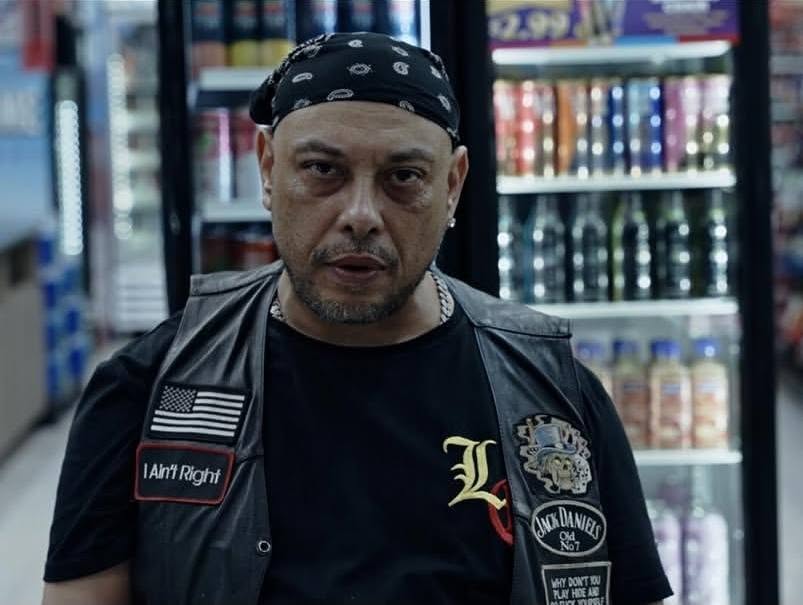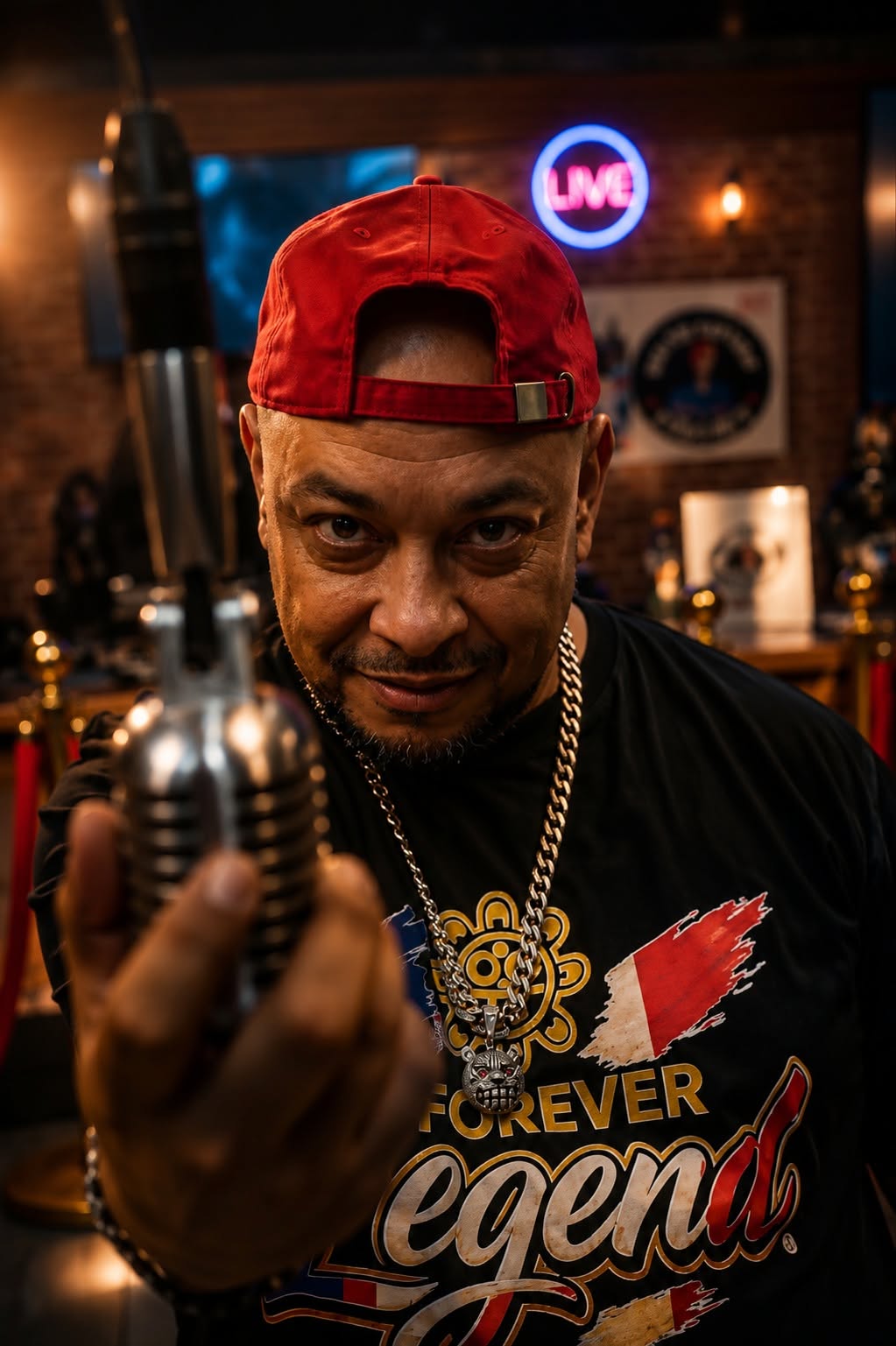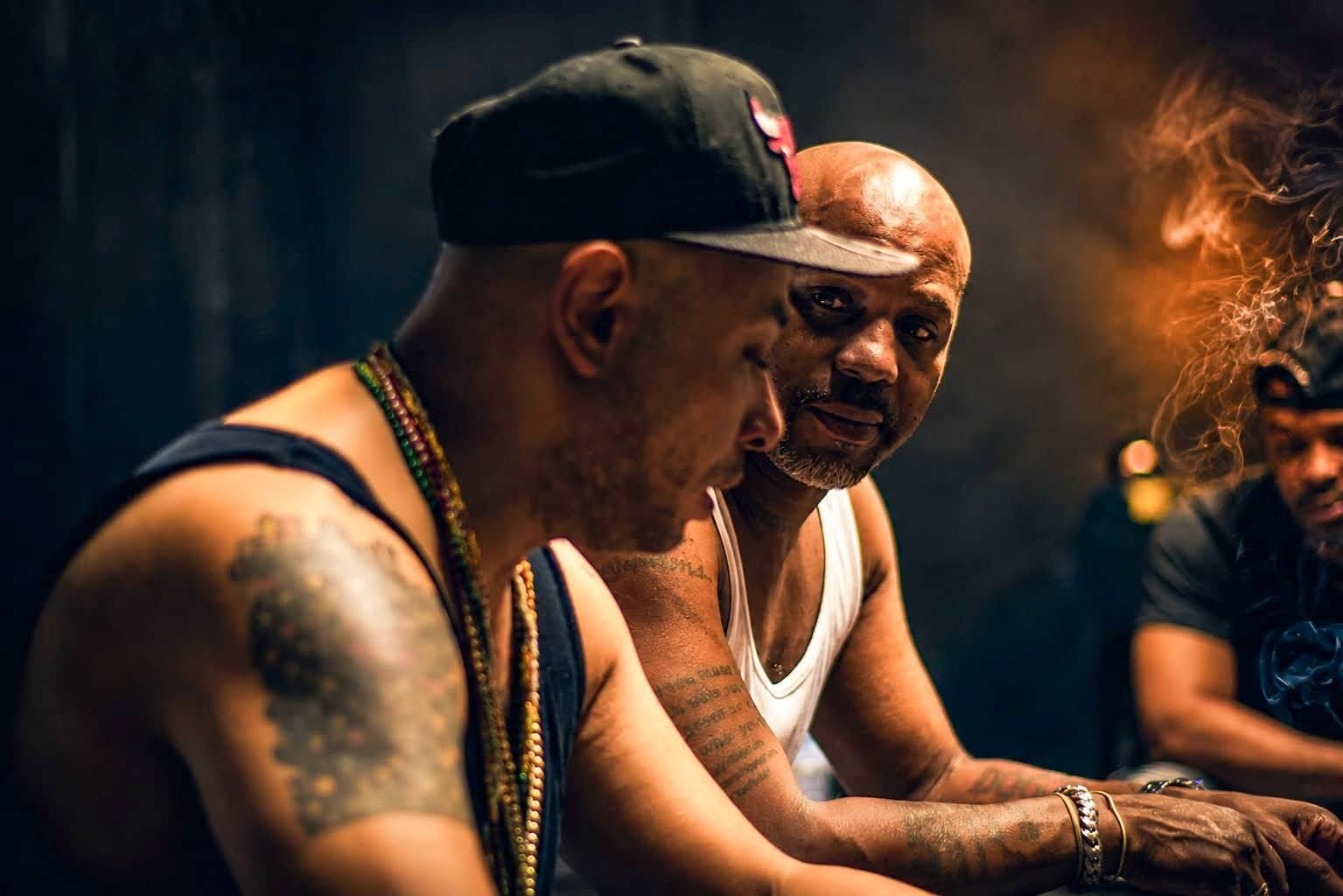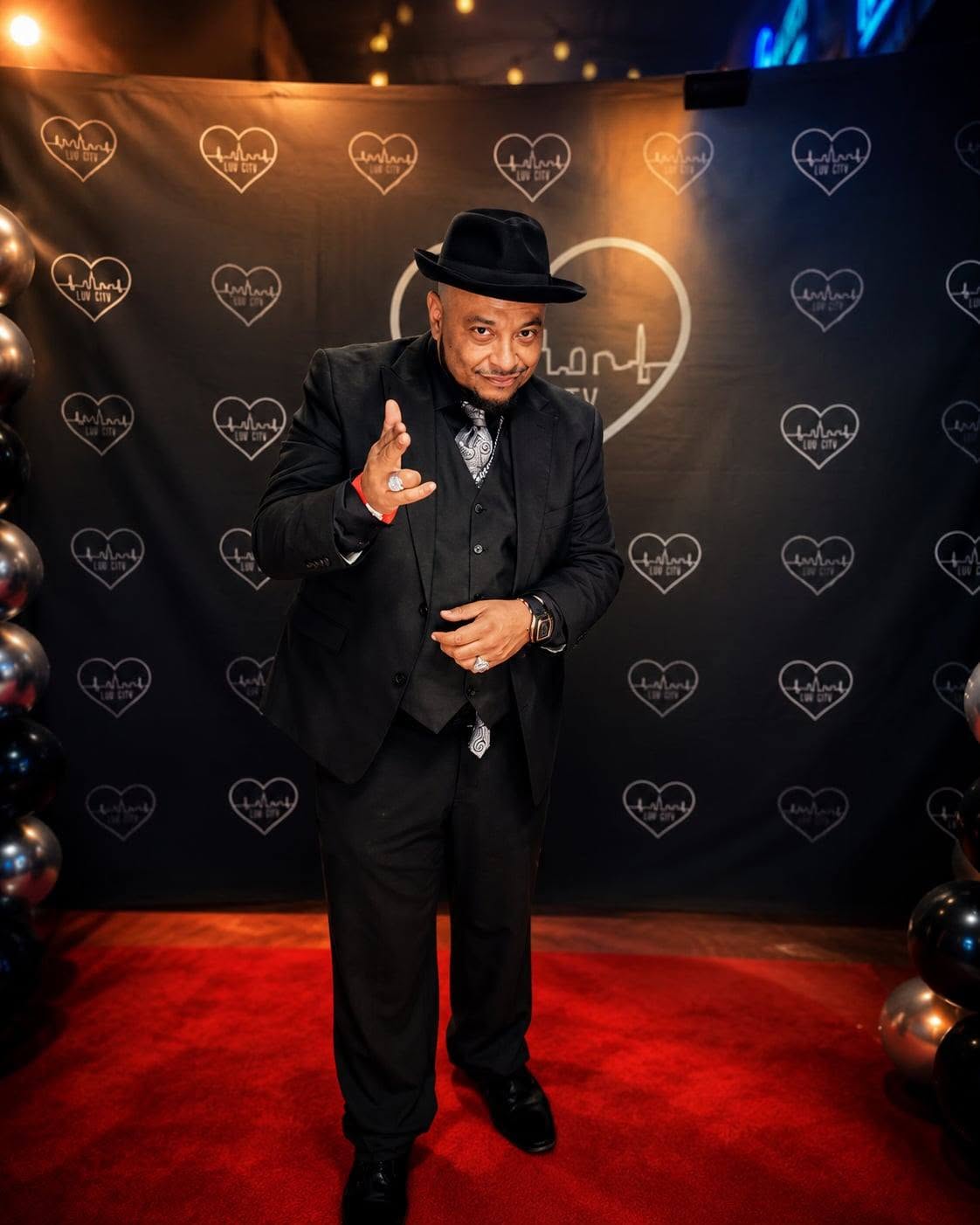
His biography starts in two cities. Brooklyn is where Eddie Alvarado was born; Chicago is where the Prince of Pain took shape. Between those points sits the fact his own website states without decoration: nineteen years incarcerated. It is a number large enough to swallow a biography if you let it. P.O.P’s story becomes more interesting when the clock starts again.
The public record shows poetry arriving not as an accessory to the comeback but as infrastructure. In 2014, Chicago arts publication Gapers Block listed Eddie Alvarado — explicitly identified as The Prince of Pain — as a spoken-word performer in a Culture Creators event tied to Puerto Rican Festival weekend. By then, the poetic moniker was already functioning as more than a stage name. It had become the front door to what he calls The Poetic Movement.
His official biography says the years after release produced more than performances: over 28 youth programs centered on creative expression and a Chicago Humanitarian Empowerment Award in 2015. That matters because it shifts the scale. A poem can tell you what a man survived. A program asks what he intends to do with the survival.
Music widened the delivery system. In 2017, P.O.P released his debut rap single Kemosabe. His official biography also names collaborations with Cuban Link, Cold Hard of Crucial Conflict, Do or Die and Hypno Carlito, placing the poetry inside a Chicago hip-hop continuum rather than outside of it. The voice changed formats without surrendering its central subject: pressure, faith, consequence and the possibility of becoming something after what happened to you.
By 2025, the résumé carried another public marker: his website records a Best Latin Artist in Chicago honor at the 312 Music Awards. But the most current evidence of the mission is not a trophy. It is a feed. In 2026, What’s Popping Podcast continues publishing conversations about Chicago music, film, culture and community — with OG POP no longer only telling his own story, but handing the microphone to other people.
That is the through line. Poet. Artist. Actor. Host. Advocate. The titles multiply, but the work keeps circling the same question: what can be made from a life once the worst part of it is no longer the ending?